MKO Company Enterprise Solutions. Measurable Results.

MKO Company

Enterprise Solutions. Measurable Results.

Latest Articles

Five Ways Your Enterprise Is Overpaying Vendors Without Anyone Knowing It
Technology & Infrastructure

Five Ways Your Enterprise Is Overpaying Vendors Without Anyone Knowing It

Most large organizations believe their procurement teams have vendor costs under control. Most are wrong. Pricing opacity, fragmented contract management, and unmonitored fee structures silently inflate vendor spend across enterprise portfolios — often by millions annually. These five blind spots explain where the money is going and how to recover it without renegotiating a single contract.

Leadership & Change Management

Losing Your Best People to Progress: The Hidden Retention Crisis Inside Digital Transformation

Digital transformation initiatives promise efficiency and competitive advantage, yet many enterprises are quietly hemorrhaging the very talent that makes modernization possible. High performers — the employees most capable of navigating change — are often the first to exit when transformation is mismanaged. Understanding why requires a harder look at what organizations are actually asking of their people.

When Compliance Becomes Its Own Compliance Problem: Untangling Regulatory Complexity Across the Enterprise
Operations & Performance Management

When Compliance Becomes Its Own Compliance Problem: Untangling Regulatory Complexity Across the Enterprise

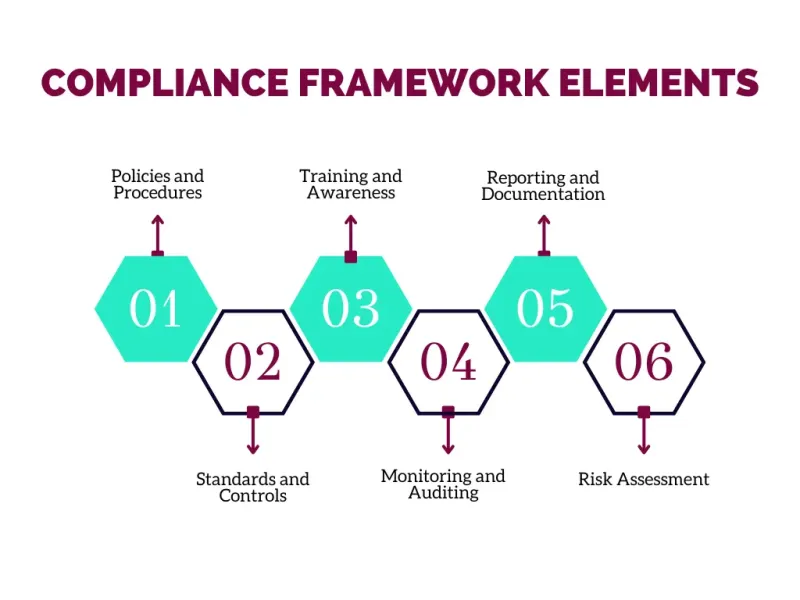
Large enterprises operating across multiple US states and international jurisdictions frequently discover that their compliance infrastructure has grown far beyond what regulations actually require. The resulting overhead — duplicate frameworks, redundant audits, and misallocated legal resources — is a self-imposed tax that compounds year over year. A structured consolidation strategy can restore proportionality without increasing regulatory risk.

Software Sprawl and the Silent Budget Drain: Calculating What Fragmented Tools Actually Cost Your Organization
Operations & Performance Management

Software Sprawl and the Silent Budget Drain: Calculating What Fragmented Tools Actually Cost Your Organization

Enterprise technology stacks have grown more complex — and more costly — than most finance teams realize. Beyond licensing fees, the manual labor required to bridge disconnected systems represents a productivity tax that quietly compounds across every department. This analysis quantifies that burden and offers a practical framework for evaluating true platform ROI.

Buried Intelligence: How Enterprises Can Stop Hoarding Data and Start Extracting Value From It
Technology & Infrastructure

Buried Intelligence: How Enterprises Can Stop Hoarding Data and Start Extracting Value From It

Large organizations are generating data at unprecedented rates while deriving strategic value from a surprisingly small fraction of what they collect. The gap between data accumulated and data actually used represents both a financial burden — in storage and maintenance costs — and a missed competitive opportunity. This analysis diagnoses the structural causes of enterprise data underutilization and outlines practical steps for making organizational information genuinely actionable.

When Consensus Becomes a Liability: Rethinking How Large Organizations Make Decisions
Leadership & Change Management

When Consensus Becomes a Liability: Rethinking How Large Organizations Make Decisions

In many large enterprises, the structures designed to ensure sound decisions have become obstacles to making them at all. As approval hierarchies grow and committee review cycles lengthen, competitors operating with leaner governance models are capturing market opportunities before the approval memo clears its third routing. This piece examines the structural roots of enterprise decision paralysis and makes a case for governance reform that preserves accountability without sacrificing speed.

What Organizational Silos Are Really Costing Your Enterprise — And How to Quantify the Damage
Operations & Performance Management

What Organizational Silos Are Really Costing Your Enterprise — And How to Quantify the Damage

Fragmented department structures and siloed data systems quietly drain enterprise productivity at a scale most leadership teams never measure. This article examines the compounding cost multipliers of organizational disconnection and presents a structured framework for identifying silo damage before it erodes your competitive position.

Six Operational Metrics Your Dashboard Is Missing — and the Revenue Impact of That Blind Spot
Operations & Performance Management

Six Operational Metrics Your Dashboard Is Missing — and the Revenue Impact of That Blind Spot

Most enterprise performance dashboards are built to confirm what leadership already believes is true. The metrics that reveal organizational dysfunction — the ones that predict competitive erosion before it becomes visible on a P&L — are rarely the ones receiving executive attention. Here is what your reporting framework is likely missing, and why it matters.

What Your Legacy Systems Are Actually Costing You — And Why the Numbers Are Worse Than You Think
Technology & Infrastructure

What Your Legacy Systems Are Actually Costing You — And Why the Numbers Are Worse Than You Think

For many enterprise organizations, outdated technology infrastructure has become the silent drain on profitability that never appears as a line item on the P&L. Understanding the full financial weight of technical debt — from operational drag to forfeited market share — is the first step toward making a defensible modernization case to your board.

Why Enterprise Transformations Fail: The Uncomfortable Truths Leadership Teams Rarely Confront
Leadership & Change Management

Why Enterprise Transformations Fail: The Uncomfortable Truths Leadership Teams Rarely Confront

The failure rate for major enterprise transformation initiatives has remained stubbornly consistent for more than two decades, despite significant advances in methodology, tooling, and practitioner expertise. The explanation is not technical — it is human. And until leadership teams are willing to examine the organizational dynamics they typically avoid, that rate is unlikely to improve.